 CheckMyFishTank
Flying Fox care
Epalzeorhynchos kalopterus · Freshwater · Intermediate level care
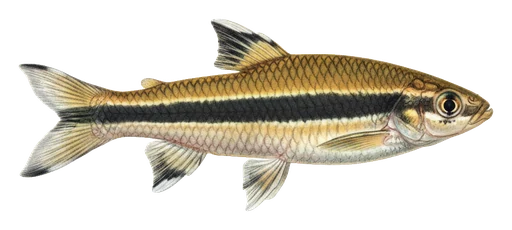
A hardy algae eater that starts shy but turns territorial as it grows.
Feeding
Twice a day. A small pinch of flakes plus fresh vegetables or an algae wafer left in for a few hours. Algae wafers, sinking pellets, vegetables.
Claims a territory and guards it.
Good tank mates
Fish that pass every check with Flying Fox in a 130 gallon tank: same water, overlapping temperature, nobody gets eaten and no bullies.
Do not mix with
- German Blue Ram: German Blue Ram and Flying Fox need different water temperatures.
- Discus: Discus and Flying Fox need different water temperatures.
- Demasoni Cichlid: Demasoni Cichlid fight their own kind. Keep only one per tank.
- Gold Nugget Pleco: Gold Nugget Pleco and Flying Fox need different water temperatures.
- Clown Knifefish: Clown Knifefish grows big enough to eat Flying Fox.
- Black Ghost Knifefish: Black Ghost Knifefish grows big enough to eat Flying Fox.
- Ornate Bichir: Ornate Bichir grows big enough to eat Flying Fox.
- Silver Arowana: Silver Arowana grows big enough to eat Flying Fox.
Questions
What size tank does a Flying Fox need?
At least 65 gallons. Adults grow to about 6 inches, so plan for the adult size, not the size at the store.
What temperature does a Flying Fox like?
72 to 79 degrees Fahrenheit, with a pH of about 6 to 7.5. A steady temperature matters more than hitting one exact number.
How many Flying Fox should I keep together?
Keep only one. Flying Fox fight their own kind.
What do Flying Fox eat?
Algae wafers, sinking pellets, vegetables. Feed twice a day: a small pinch of flakes plus fresh vegetables or an algae wafer left in for a few hours.
Sources
Checked against these sources on 2026-11-10. When sources disagree we use the safer number.