 CheckMyFishTank
Amazon Puffer care
Colomesus asellus · Freshwater · Intermediate level care
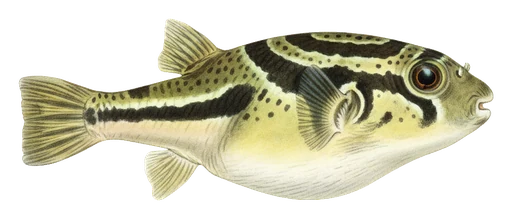
A cute, rare freshwater puffer that is calmer than most.
Feeding
Once a day. A few pellets or a couple of frozen items per fish that are gone in a few minutes. Snails, frozen shrimp, frozen bloodworms.
Nips the fins of slow fish with long fins.
Eats shrimp and snails.
Claims a territory and guards it.
Good tank mates
Fish that pass every check with Amazon Puffer in a 110 gallon tank: same water, overlapping temperature, nobody gets eaten and no bullies.
Do not mix with
- Tinfoil Barb: Tinfoil Barb grows big enough to eat Amazon Puffer.
- German Blue Ram: German Blue Ram and Amazon Puffer need different water temperatures.
- Discus: Discus and Amazon Puffer need different water temperatures.
- Oscar: Oscar grows big enough to eat Amazon Puffer.
- Green Terror: Green Terror grows big enough to eat Amazon Puffer.
- Demasoni Cichlid: Demasoni Cichlid fight their own kind. Keep only one per tank.
- Frontosa: Frontosa grows big enough to eat Amazon Puffer.
- Gold Nugget Pleco: Gold Nugget Pleco and Amazon Puffer need different water temperatures.
Questions
What size tank does a Amazon Puffer need?
At least 55 gallons for a group of 6. Adults grow to about 4 inches, so plan for the adult size, not the size at the store.
What temperature does a Amazon Puffer like?
72 to 79 degrees Fahrenheit, with a pH of about 6 to 7.5. A steady temperature matters more than hitting one exact number.
How many Amazon Puffer should I keep together?
Keep 6 or more. They feel safe in a group and show better color and behavior.
What do Amazon Puffer eat?
Snails, frozen shrimp, frozen bloodworms. Feed once a day: a few pellets or a couple of frozen items per fish that are gone in a few minutes.
Sources
Checked against these sources on 2026-11-10. When sources disagree we use the safer number.