 CheckMyFishTank
Senegal Bichir care
Polypterus senegalus · Freshwater · Intermediate level care
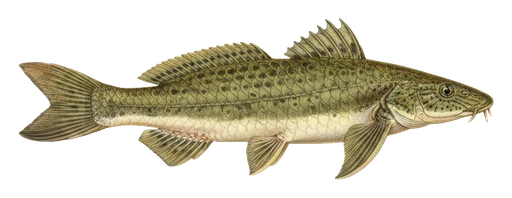
A prehistoric looking bottom fish that is hardy but eats small fish.
Feeding
Once a day. A few pellets or a couple of frozen items per fish that are gone in a few minutes. Sinking carnivore pellets, frozen foods, earthworms.
Eats fish small enough to fit in its mouth.
Jumps. Keep a tight lid on the tank.
Good tank mates
Fish that pass every check with Senegal Bichir in a 180 gallon tank: same water, overlapping temperature, nobody gets eaten and no bullies.
Do not mix with
- Neon Tetra: Senegal Bichir grows big enough to eat Neon Tetra.
- Cardinal Tetra: Senegal Bichir grows big enough to eat Cardinal Tetra.
- Green Neon Tetra: Senegal Bichir grows big enough to eat Green Neon Tetra.
- Black Neon Tetra: Senegal Bichir grows big enough to eat Black Neon Tetra.
- Ember Tetra: Senegal Bichir grows big enough to eat Ember Tetra.
- Lemon Tetra: Senegal Bichir grows big enough to eat Lemon Tetra.
- Glowlight Tetra: Senegal Bichir grows big enough to eat Glowlight Tetra.
- Black Skirt Tetra: Senegal Bichir grows big enough to eat Black Skirt Tetra.
Questions
What size tank does a Senegal Bichir need?
At least 90 gallons. Adults grow to about 14 inches, so plan for the adult size, not the size at the store.
What temperature does a Senegal Bichir like?
75 to 82 degrees Fahrenheit, with a pH of about 6.5 to 7.5. A steady temperature matters more than hitting one exact number.
How many Senegal Bichir should I keep together?
One is fine, and they can also live in small groups if the tank is big enough.
What do Senegal Bichir eat?
Sinking carnivore pellets, frozen foods, earthworms. Feed once a day: a few pellets or a couple of frozen items per fish that are gone in a few minutes.
Sources
Checked against these sources on 2026-11-10. When sources disagree we use the safer number.